


Welcome to November. 
A quick correction before we get into today’s newsletter. In Friday’s TC Daily, we described Yango Group as a “Russian-founded mobility company operating in Africa.” We have since corrected that description to “Dubai-based technology group.”
Elsewhere, November began with some good news for 15 young women in Northern Nigeria. Financial Services Innovators (FSI), with support from the Nigerian Communications Commission (NCC), has selected them for five-week software testing internships after an eight-week training programme that drew 590 applications.
Ninety-five women completed the programme, learning everything from test-case design to application programming interface (API) testing, and the 15 top performers will now get hands-on industry experience with GoAssurify.
Let’s dive in.
Read smart insights about Francophone Africa’s tech ecosystem—weekly.

Fintech
OPay’s US debut hits a regulatory wall
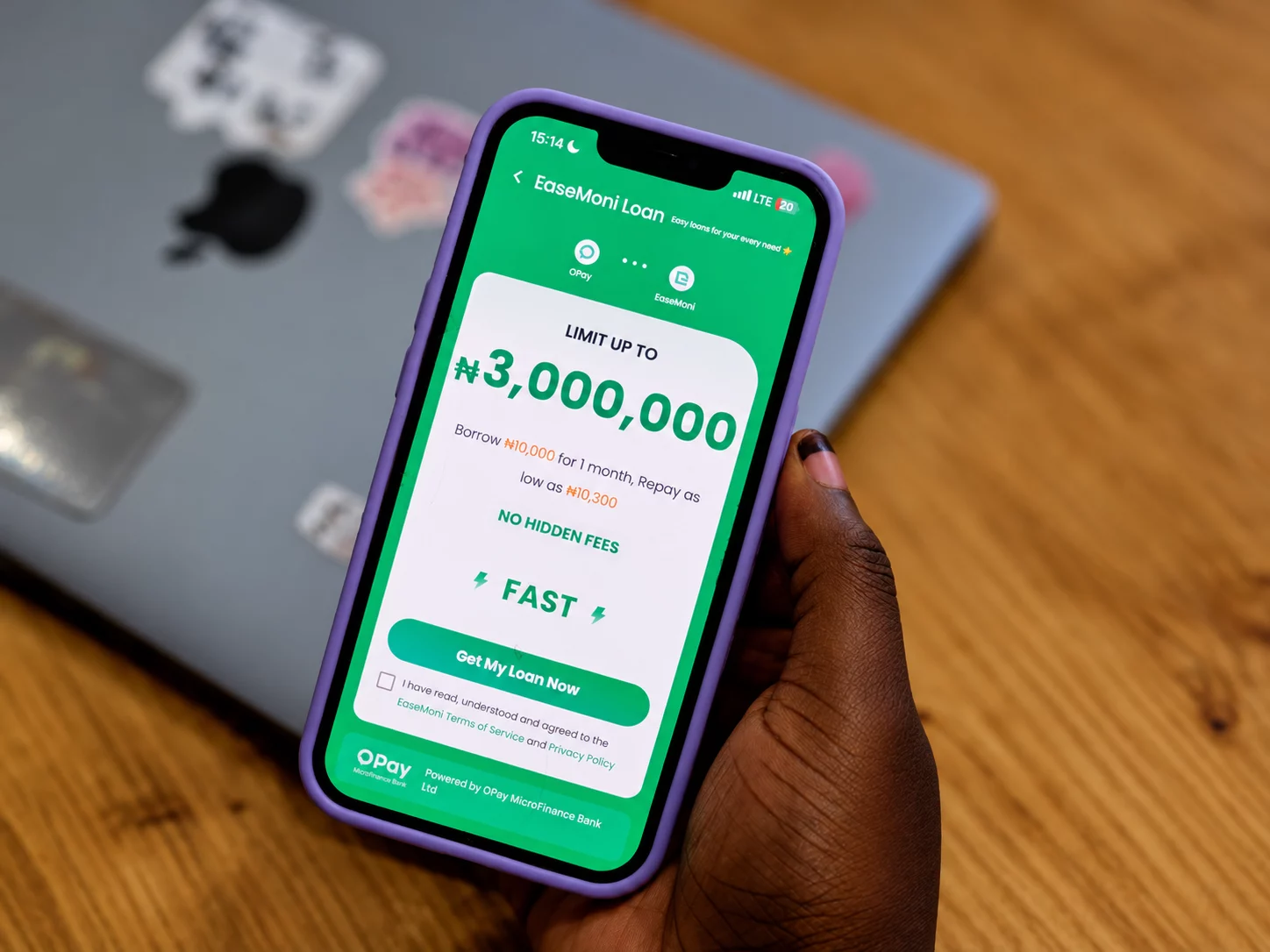
On Saturday, OPay shelved its planned $304 million US IPO, a day after pricing its shares at $19 each. The Nigeria-focused payments company said a regulatory inquiry in an undisclosed foreign jurisdiction forced it to abandon the listing, leaving a planned $4 billion valuation in limbo.
What happened? OPay had planned to begin trading on the New York Stock Exchange on Friday. Its American Depositary Shares were priced at $19, but trading never started. The company withdrew the offering after consulting its underwriters, Citigroup, Deutsche Bank and Standard Bank.
In a statement, OPay said the inquiry concerns a jurisdiction unrelated to its core business. It has not named the regulator or explained what it is investigating.
Why does it matter? OPay is one of Nigeria’s largest payments companies, with over 50 million users. Its proposed listing would have given US investors a way to buy into one of Africa’s biggest fintech businesses.
The withdrawal also shows how a regulatory issue outside a company’s main market can derail access to public capital. SoftBank’s backing did not prevent that.
Explain it like I’m new here: OPay was selling American Depositary Shares (ADS). These let US investors trade securities linked to a foreign company on an American exchange without buying shares in the company’s home market.
What to watch: OPay has not said when, or if, it might revive the initial public offering (IPO). It is also not clear what the foreign regulator is investigating. Until the company provides more detail, investors have little basis for assessing whether the problem is temporary or could affect its plans to list.


Upgrade your business today
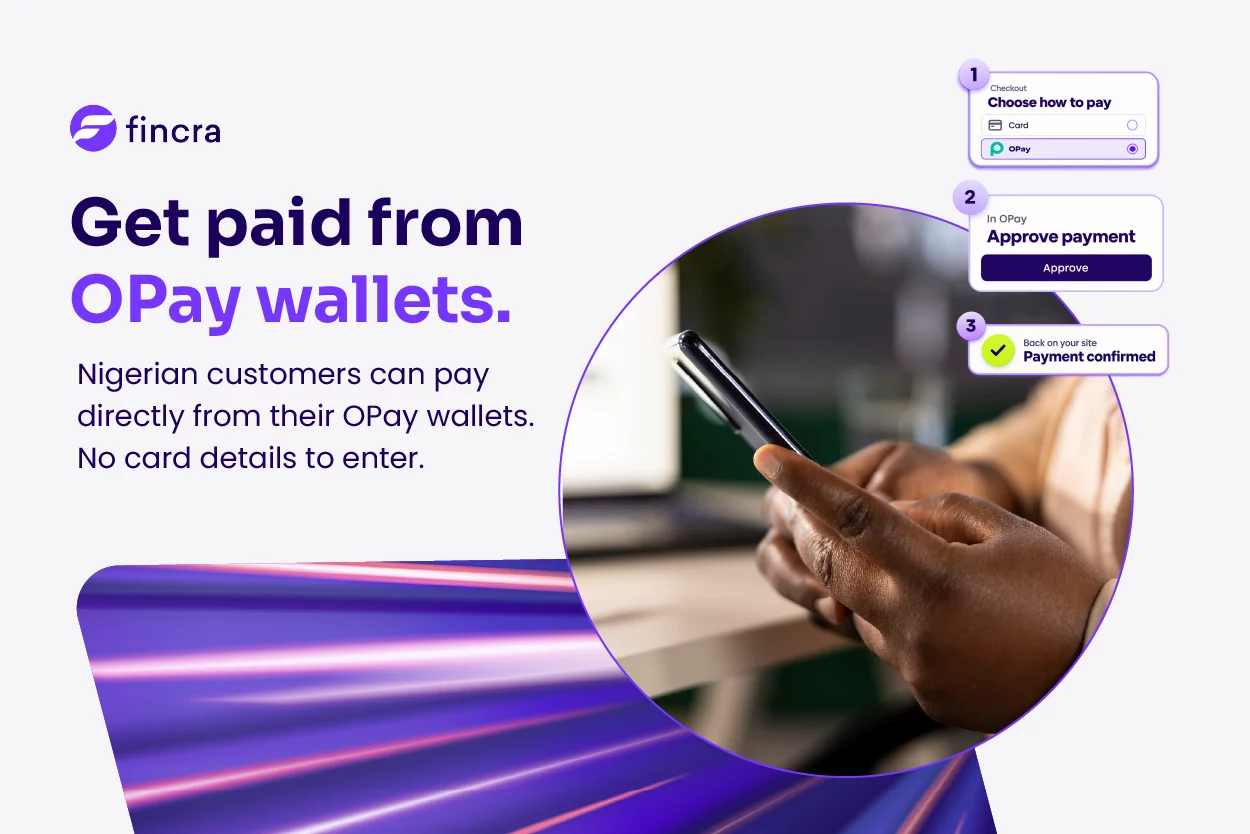
Pay with OPay is live on Fincra. Customers approve payments straight from their OPay wallet, and you get confirmation back on your site. Available now for NGN collections! Upgrade your business today with Fincra pay with OPay.
Mobility
Egypt rolls out its first locally assembled EV
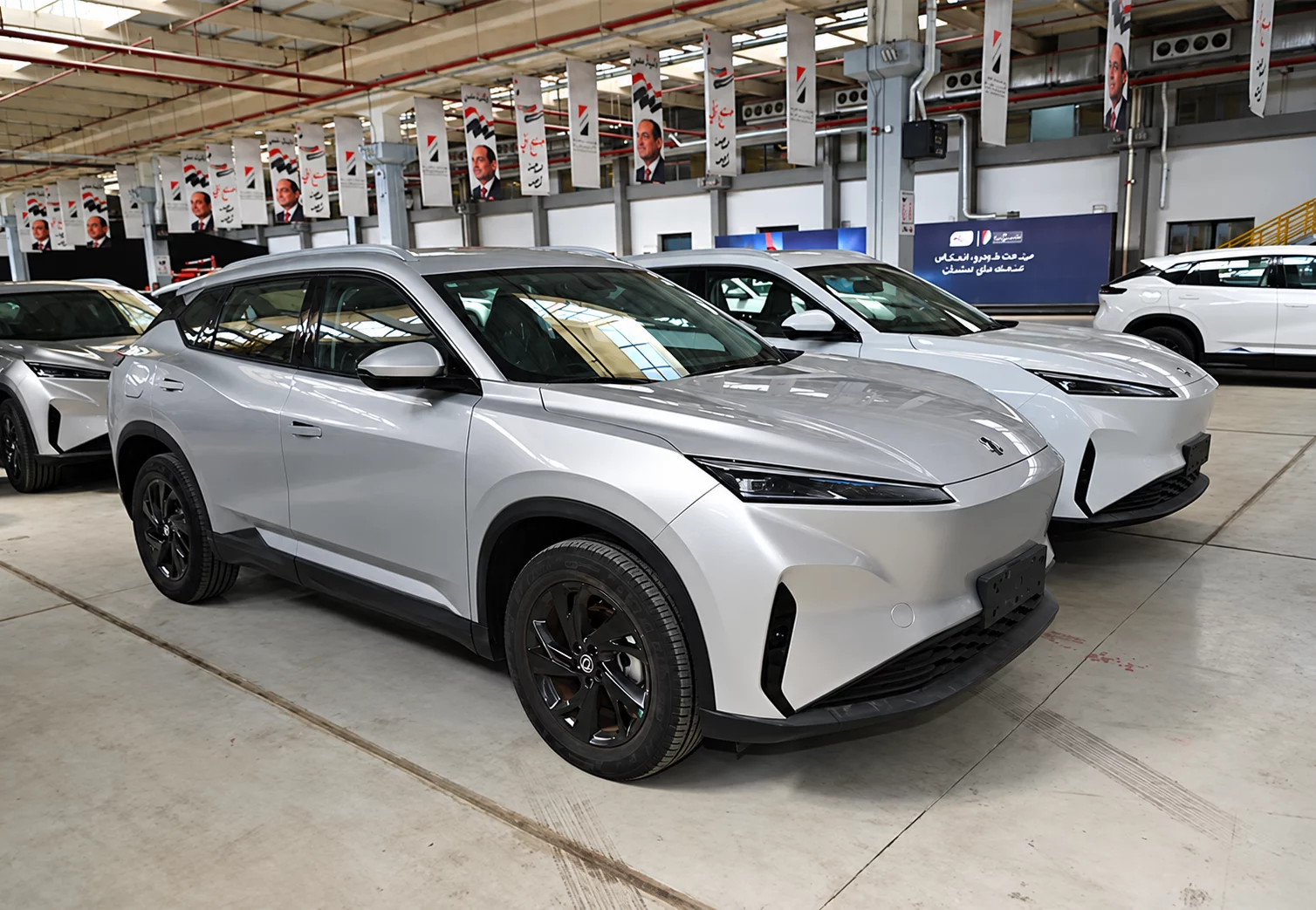
Egypt has spent years saying it wants to make more of the cars it drives. Now its first locally assembled electric vehicle (EV) has rolled off the line.
What happened? State-owned El Nasr Automotive has begun producing the MAGE EV, the electric version of Chinese automaker Dongfeng’s MAGE, at its Helwan factory in Cairo, Egypt. SN Automotive, a joint venture between El Nasr and Al Safy Group, Dongfeng’s Egyptian agent, handles production.
About 45% of the car is locally sourced. El Nasr wants to produce 3,000 units in the first year and gradually increase both production and the share of Egyptian-made parts.
Explain like I’m new here: Egypt does not just want more EVs on its roads. It wants more of those vehicles to be made in Egypt.
Launched in 2023, Egypt’s Automotive Industry Development Programme (AIDP) rewards manufacturers that produce more cars locally, increase local content, and invest in cleaner vehicles. The country wants local value added to reach 60% and annual vehicle production to exceed 100,000 units.
The wider car market is already recovering. Egyptians bought 135,445 vehicles in the first eight months of 2026, up 25.8% from the same period last year.
Between the lines: Assembly is the easy part. At 45% local content, more than half of the MAGE EV still comes from abroad. Egypt now wants factories to produce batteries, motors, and other components locally, because that is where more jobs and industrial value sit.
There is also an awkward policy problem. Fully imported EVs enter Egypt without customs duties, while manufacturers still pay duties on imported batteries and electric motors used to build cars locally. The government is now considering removing those duties for factories.
Zoom out: Egypt’s EV push is becoming an industrial policy, not just a clean-transport policy. Getting the first car off the line is useful. But making more cars in Egypt is the real prize.
Telecoms
Airtel Kenya pays $65 million to catch up on 5G
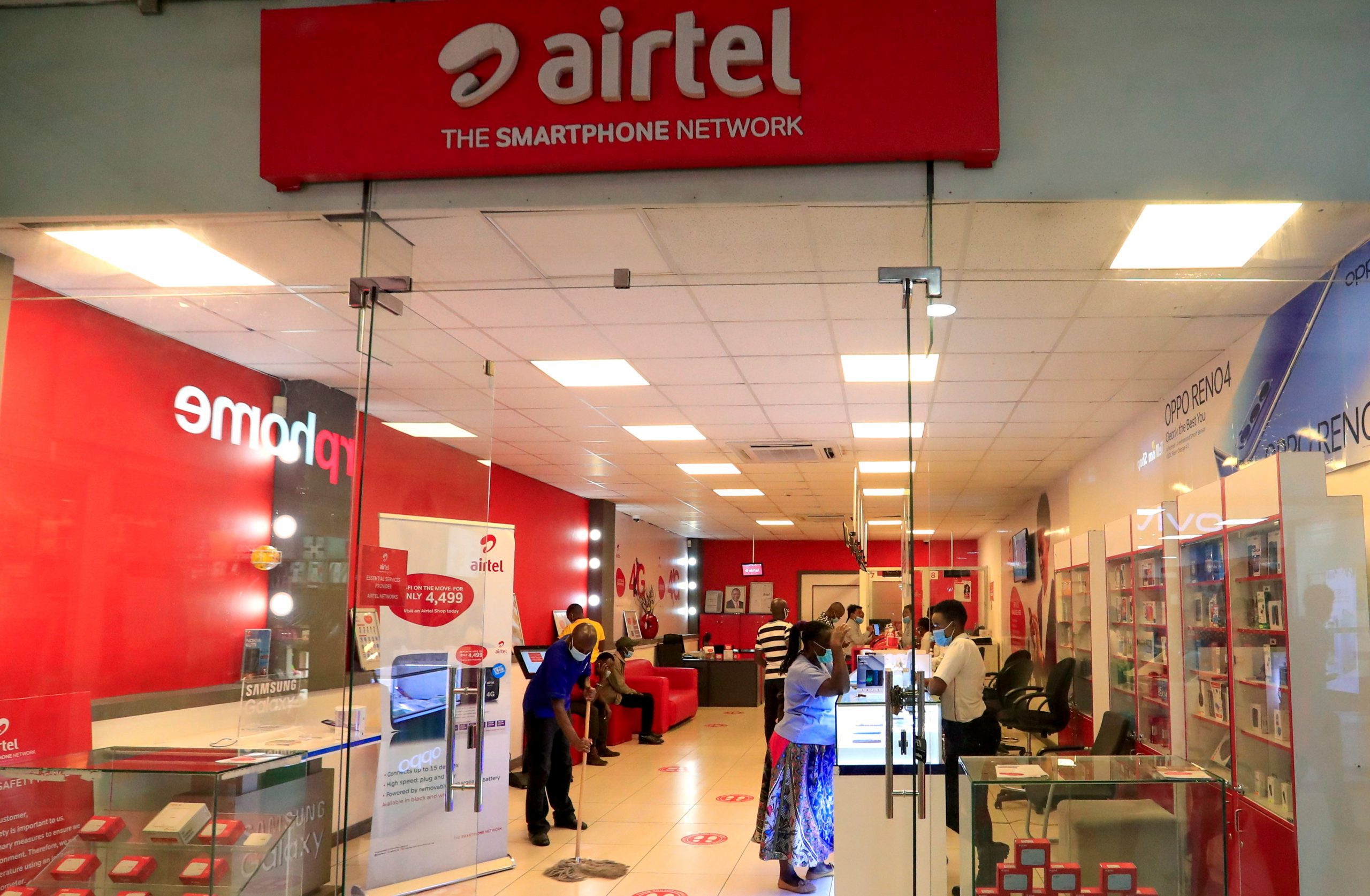
Airtel Kenya, the country’s second-largest telecom operator, has paid $65 million (KES 8.4 billion) for 100 MHz of 5G spectrum, securing the airwaves it needs to expand its network over the next 25 years. The purchase comes as Kenya’s 5G market grows, but also as Airtel tries to close the gap with Safaricom and put years of licencing disputes behind it.
What happened? Airtel acquired 100 megahertz (MHz) in the 3500 MHz band, one of the main frequency ranges used to deploy 5G networks globally.
The purchase gives Airtel more room to carry data traffic, serve more customers, and improve connection speeds. It also gives the operator a long-term asset for its network expansion plans.
Why does this matter? According to the Communications Authority (CA), Kenya’s 5G subscriber base reached 2.1 million in June 2026, up from 1.2 million in the previous year. More customers are using 5G, and operators need enough spectrum to accommodate that demand.
Airtel is also competing against Safaricom, which launched commercial 5G services in October 2022. Airtel followed in July 2023. Safaricom had 803 5G sites in March 2024, compared with Airtel’s 690.
The spectrum purchase gives Airtel more capacity to compete, but it doesn’t automatically mean better coverage, since that depends on how much it spends on equipment, sites, and network upgrades.
Explain it like I’m new here: Think of spectrum as the road on which mobile data travels. Operators need government permission to use specific portions of these radio frequencies.
More spectrum means more room for data traffic. The 3500 MHz band is particularly useful for 5G because it can deliver high speeds and substantial network capacity.
The bigger question: Airtel has spent more than a decade dealing with uncertainty over its operating licences. It has now secured a 25-year operating licence in 2026, but regulatory approvals for other authorisations were still pending in August.
The $65 million purchase settles one part of its 5G expansion plans. Can Airtel now turn that investment into a serious challenge to Safaricom?
Creator Economy
South Africa tells influencers: free perks can be taxable

South Africa’s creator economy may look informal, but the taxman does not see it that way. The South African Revenue Service (SARS), the country’s taxman, is reminding influencers, YouTubers, podcasters, and other creators that money from brand deals is taxable, and so are many of the free phones, hotel stays, flights, and other perks they receive in exchange for content.
What happened? SARS has published new guidelines telling creators to declare income from sponsorships, affiliate marketing, advertising, subscriptions, and brand partnerships.
Declarable payment does not have to be cash only, according to the taxman. Products, travel, accommodation, vouchers, and other benefits digital creators receive can also count as income when provided in exchange for promotion.
For example, a creator paid R30,000 ($1,800) for a campaign, plus a R20,000 ($1,200) phone and R10,000 ($600) hotel stay, could have R60,000 ($3,600) in gross income to declare.
Explain like I’m new here: This is not a new influencer tax. South Africa’s existing tax rules already cover income received in cash or in kind. SARS is spelling out how those rules apply to an industry where a creator can be paid without money ever hitting a bank account.
This is South Africa’s latest effort to formalise its creator economy, similar to ride-hailing—another gig economy. In January, the country’s digital technologies regulator said it was mulling plans for regulating podcasts; however, with its hands full, especially with the failed AI policy in April, which has since morphed into a contentious political affair, the regulator has seemingly relegated that plan to the back burner.
In SARS’ case for influencers, it wants to ensure there are no loopholes. The tax agency collected a record R2.01 trillion ($120.4 billion) in the 2025/26 financial year and is targeting R2.144 trillion ($128.4 billion) this year. Bringing more informal and digital income into the tax net is part of that wider compliance push.
Creators may not contribute a huge share of that revenue, but SARS clearly does not want income earned through posts, brand deals or freebies slipping through simply because it does not look like a traditional salary or payment.
Between the lines: SARS now describes creators and influencers as “modern entrepreneurs.” That means creators may need to start thinking like small businesses: keep proper records, track what they receive, declare taxable income, and check whether provisional tax or VAT rules apply.
Our read here is that record-keeping could be the biggest headache for influencers. Cash payments are easy to track (and declare as tax), but creators may now have to put a value on free trips, hotel stays, and other perks they once treated as gifts. Clearer rules would be key here, as SARS seeks additional revenue from South Africa’s digital economy.
CRYPTO TRACKER
The World Wide Web3
Source:

|
Coin Name |
Current Value |
Day |
Month |
|---|---|---|---|
 Bitcoin |
$78,235 |
+ 0.66% |
– 7.50% |
| Ether |
$2,286 |
+ 0.98% |
– 14.55% |
| ZIG Finance |
$0.04151 |
– 1.50% |
– 21.54% |
| Solana |
$94.65 |
– 0.85% |
– 20.74% |
* Data as of 06.30 AM WAT, November 2, 2026.
Job Openings
- Sparkle Nigeria — Business Growth Manager — Lagos, Nigeria
- Tech Safari — Content Lead — Nairobi, Kenya, and Abuja, Nigeria (remote, anywhere in Africa)
- CredPal — Credit Underwriter — Lagos, Nigeria
- Pesa — Social & Influencer Marketing Manager — Remote (Nigeria)
- Bamboo — Product Manager (Misan) — Hybrid (Lagos, Nigeria)
- Àngeles Sostenibles — Operations Associate — Abuja, Nigeria
- Coinomad — Sales Manager, Business Development Manager — Nigeria
- Sumsub — Senior Anti-Fraud Analyst — Remote (anywhere)
- AfriChange — Compliance Specialist — Remote (Nigeria)
- Scouthappy — Growth Lead for Fintech (Stocks) — Remote (Nigeria)
- Daya — Growth Product Manager (Daya Coins) — Remote (Nigeria)
- Qore — Site Reliability Engineering (SRE) Manager — Lagos, Nigeria
- Afreximbank — Student and Postgraduate Internship — Cairo, Egypt
Looking for more opportunities? There are additional openings on TechCabal’s job board. We’ve also cleared out outdated listings to keep opportunities fresh for job seekers. If you’re hiring and would like to feature an open role, please submit it via this form.

Written by: Kenn Abuya and Emmanuel Nwosu
Edited by: Emmanuel Nwosu & Ganiu Oloruntade
Want more of TechCabal?
Sign up for our insightful newsletters on the business and economy of tech in Africa.
- The Next Wave: futuristic analysis of the business of tech in Africa.
- Francophone Weekly by TechCabal: insider insights and analysis of Francophone’s tech ecosystem
P:S If you’re often missing TC Daily in your inbox, check your Promotions folder and move any edition of TC Daily from “Promotions” to your “Main” or “Primary” folder and TC Daily will always come to you.

from TechCabal https://ift.tt/NVep2Pu
via IFTTT

I am the CEO of 9JAGISTLAND.My name is Adedeji Timothy and my co-owner is Oyekola Damilare.This blog is born out of our passion to educating to people in all aspect of internet life.We are enthusiastic about writing posts and articles online.
Next Post »
Write your views on this post and share it. ConversionConversion EmoticonEmoticon