


First published on October 11, 2026
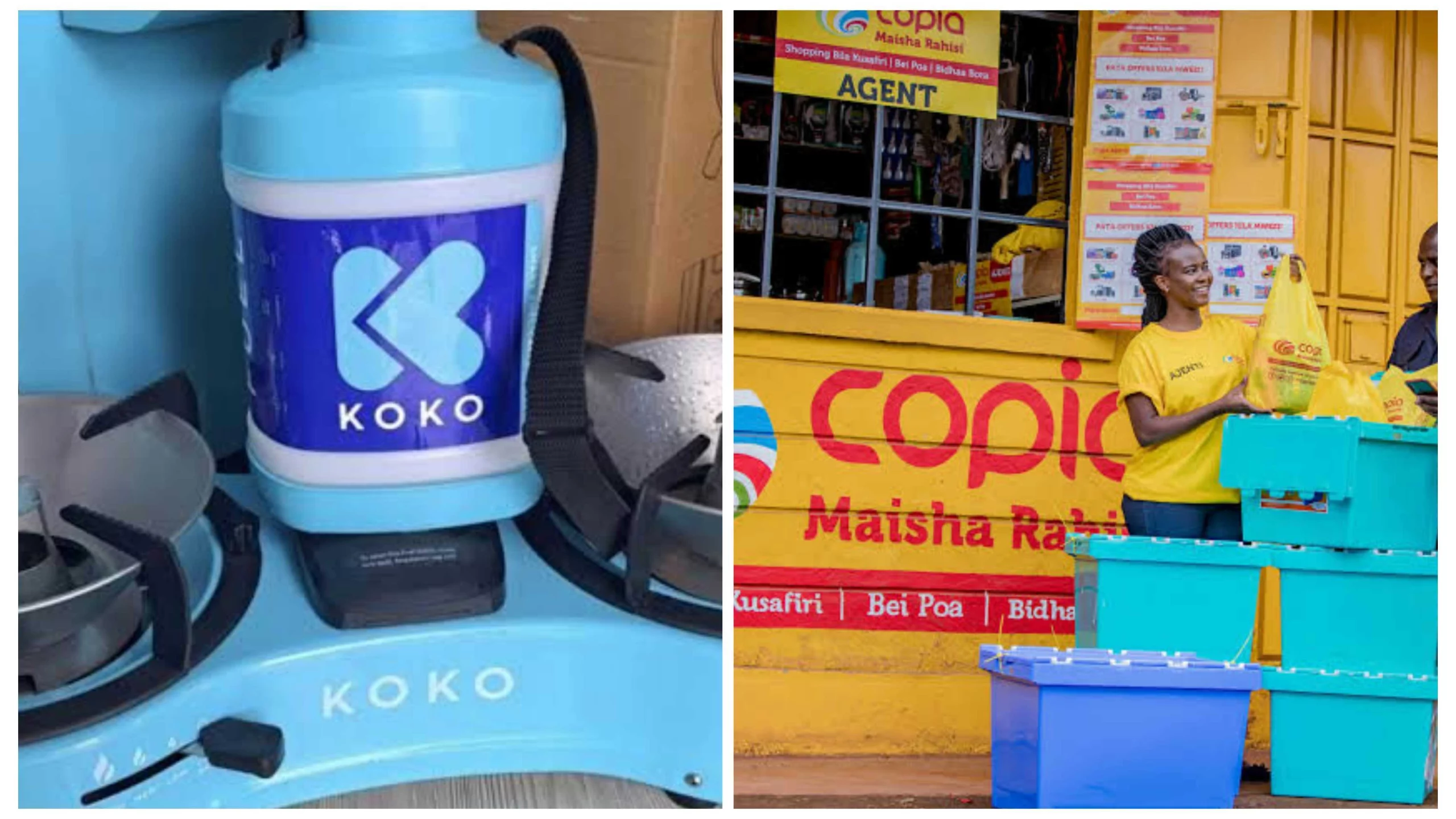
Image Source: TechCabal
Koko Networks raised more than $100 million from international investors to sell subsidised clean cooking stoves, relying on carbon credit sales to help cover their costs. Copia Global raised $123 million to bring e-commerce to smaller towns. Both businesses built sizeable operations around costly problems in African markets. When they collapsed, the question became how much money was left to repay those who had financed their growth.
In February 2026, the administrators of Copia estimated the realisable value of its assets at KES 206.6 million ($1.6 million), while its liabilities were considerably greater than that figure. Similarly, Koko Networks (UK) Limited had accumulated significant debt as a result of regulatory and commercial problems that had disrupted its carbon credit business.
The two failures expose a less visible side of venture capital. Raising millions and reaching customers does not guarantee that a business will have enough cash or saleable assets to meet its obligations. When the money runs out, investors are not the only ones who lose. Suppliers, employees and lenders must pursue claims against what remains, often through lengthy court proceedings that determine who gets paid and how much.
Read smart insights about Francophone Africa’s tech ecosystem—weekly.
When growth does not leave enough behind
Copia entered administration in May 2024 after struggling to sustain its agent-based e-commerce model. The company allowed customers in smaller towns to order goods through local agents. Its operations required warehouses, logistics, inventory, and working capital to move products from suppliers to customers.
The model addressed a real distribution problem, but it also carried costs that persisted when sales or funding weakened. Suppliers still expected payment, inventory needed financing, and logistics infrastructure required money to operate.
On September 17, 2026, the High Court in Nairobi ordered Copia into liquidation, appointing its existing KPMG administrators, Julius Mumo Ngonga and Anthony Makenzi Muthusi, as joint liquidators. Copia had KES 206.6 million ($1.6 million) in estimated realisable assets, against KES 169.5 million ($1.3 million) in creditor claims and administration costs, before preferential claims and other costs.
Koko, on the other hand, sold subsidised bioethanol stoves and fuel to households that might otherwise rely on charcoal or kerosene, using revenue from carbon credit sales to help cover the cost.
The model depended on selling credits generated by its Kenyan operations in international markets. Access to higher-priced compliance markets required government authorisation. Kenya did not grant the required approval, cutting off a route to market that Koko needed to support its financial model.
Koko Networks (UK) Limited reported turnover of £39.8 million ($50.5 million) in 2024, up from £1.8 million ($2.3 million) a year earlier. It still recorded a £14 million ($17.8 million) loss and accumulated deficits of £104.6 million ($132.8 million), according to its accounts.
The UK entity entered administration in February 2026, with PwC appointed as administrator. Its administrators later struggled to find a buyer for the company’s carbon credits, which were valued at £274,992, according to Business Daily.
Copia struggled to sustain a costly distribution network, while Koko’s revenue depended on regulatory approval and international carbon markets. Their failures show why funding, customer numbers and commercial reach cannot compensate for weak margins, insufficient working capital or exposure to risks a company cannot control.

Who gets paid when a startup fails?
Insolvency proceedings determine whether a distressed company can be rescued or whether its assets should be sold to repay creditors. When liquidation becomes necessary, the proceeds are distributed according to legal priorities. Secured creditors can claim against assets covered by their security, while certain employee and tax claims may receive preferential treatment. Ordinary unsecured suppliers generally rank further down the repayment queue.
Copia’s liquidation proceedings show how the process can become contentious. Tuffsteel Limited, an unsecured creditor, told the High Court it was owed KES 13.3 million ($103,000) for supplies. Jastan Traders Limited, which provided transport services, claimed KES 793,022 ($6,100).
Both challenged aspects of the proposed liquidation process. Tuffsteel sought additional safeguards and an independent forensic investigation into the company’s affairs, including asset transfers and related-party transactions. The creditors also questioned the reported transfer of Copia’s brand, intellectual property and transactional data to US-registered Copia Holdings.
These were creditor concerns, not judicial findings that assets had been improperly transferred. Justice Rhoda Rutto of the Kenya High Court dismissed the applications for additional orders and appointed the existing administrators as liquidators. The ruling allowed the liquidation to proceed under the existing practitioners.
The dispute shows why insolvency involves more than selling assets. Creditors also want to know what the company owns, how assets have been handled and whether the process protects their interests. The court must weigh those concerns against the costs and delays further proceedings can create.
Suppliers that extended credit or delivered goods on the expectation of payment under ordinary commercial terms can be left recovering only a fraction of what they are owed when a customer collapses.
When a corporate structure complicates recovery
Technology groups often operate through several legal entities, with one owning intellectual property, another running local operations and a third borrowing money or selling products internationally. Although the group may function as one business, its assets and liabilities remain legally separate.
Koko’s UK company relied on carbon credits generated by its Kenyan operations, leaving it exposed when regulatory barriers disrupted access to international markets. Its administration and the Kenyan insolvency proceedings remained separate legal processes despite their commercial links.
Copia’s creditors, meanwhile, questioned the transfer of intellectual property and customer data to Copia Holdings. The court dismissed their request for additional safeguards, but the dispute raised questions about asset ownership and creditor recovery.
Creditors cannot automatically claim assets held by another company in the same group. Guarantees, security arrangements and intercompany obligations may provide routes to recovery, but these depend on the relevant agreements and law.
The separation can leave creditors with limited prospects for recovery, even when the wider business holds valuable intellectual property, customer relationships, or other assets. Creditors can recover assets held elsewhere in the group only where the relevant legal arrangements allow it.
The cost of venture-backed failure
Copia and Koko expose distinct weaknesses in businesses built to solve costly problems, from Copia’s need for sufficient margins and working capital to Koko’s dependence on carbon-credit revenue and regulatory approval.
Their failures also spread losses across investors, employees, suppliers and lenders, with each group facing different prospects of recovery. Employees may pursue unpaid entitlements, suppliers can be left with unpaid invoices, and lenders may seek repayment from secured assets or companies that guaranteed the debt.
Creditors’ recoveries depend on the assets realised, the costs of insolvency, the validity of their claims and their legal priority. Neither company’s proceedings establish how much every creditor will ultimately receive.
These cases raise questions about how venture-backed growth distributes risk. Investors finance expansion, while suppliers and employees help sustain it, yet the latter may have far less protection when a company runs out of money.
The two startups show how the risks built into a startup’s business model can fall on creditors when the company fails. Founders and investors may drive expansion, but suppliers, employees and lenders can end up absorbing losses when margins prove too thin, working capital runs short or regulatory approval fails to materialise.

Kenn Abuya
Senior Reporter, TechCabal
Thank you for reading this far. Feel free to email kenn[at]bigcabal.com, with your thoughts about this edition of NextWave. Or just click reply to share your thoughts and feedback.
We’d love to hear from you
Psst! Down here!
Thanks for reading today’s Next Wave. Please share. Or subscribe if someone shared it to you here for free to get fresh perspectives on the progress of digital innovation in Africa every Sunday.
As always feel free to email a reply or response to this essay. I enjoy reading those emails a lot.
TC Daily newsletter is out daily (Mon – Fri) brief of all the technology and business stories you need to know. Get it in your inbox each weekday at 7 AM (WAT).
Follow TechCabal on Twitter, Instagram, Facebook, and LinkedIn to stay engaged in our real-time conversations on tech and innovation in Africa.


|
|


|
|
|
17, Eniyansoro Beyioku Street, Ajao Road, Off Ogunlana Drive, Surulere, Lagos 101212, Nigeria |
View in Map |
| You received this email because you signed up on our website or made purchase from us. If you no longer wish to receive these emails, please unsubscribe |
from TechCabal https://ift.tt/N9GgE5r
via IFTTT

I am the CEO of 9JAGISTLAND.My name is Adedeji Timothy and my co-owner is Oyekola Damilare.This blog is born out of our passion to educating to people in all aspect of internet life.We are enthusiastic about writing posts and articles online.
Write your views on this post and share it. ConversionConversion EmoticonEmoticon