


Ramadan Kareem. 
Join Zikoko Citizen on February 28 for an afternoon of necessary civic conversation as Nigeria edges toward the 2027 elections. Citizen Townhall 2026 asks a simple but urgent question: Who shapes the Nigerian life?
We discuss how power actually works, from elections to media, organising, and the everyday decisions that affect our communities. Get your free tickets to attend.
In other news, we published another episode of Headlines by TechCabal, our new talk show where we break down the trends making the rounds in African tech, policy, and enterprise landscape. You can watch the latest episode here.
We’re still open to sponsorship deals for Headlines. Partner with us for thoughtful brand placement that earns attention, backed by TechCabal’s distribution. Talk to our partnerships team.


Startups
Koko (and its leftovers) are now on the market
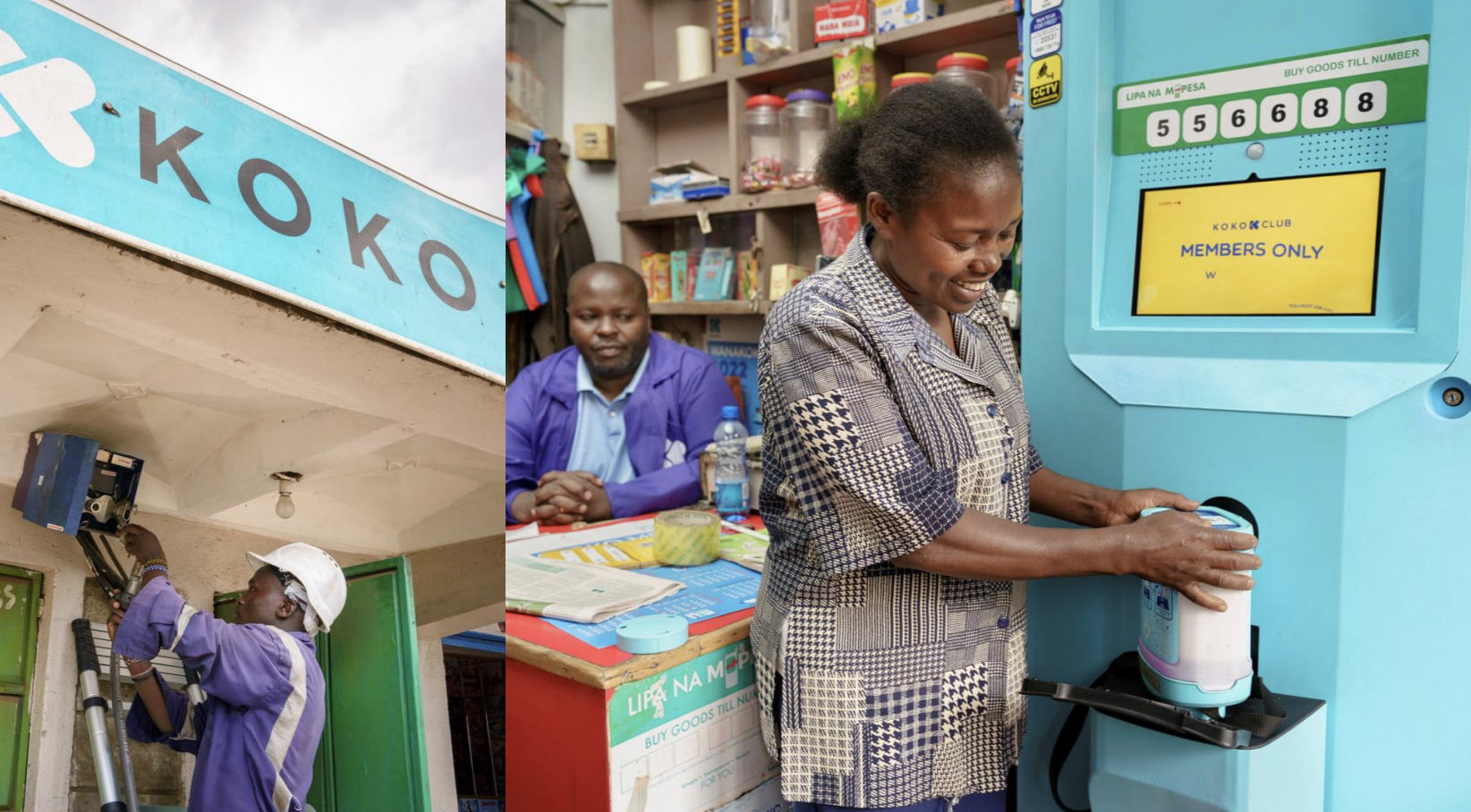
On February 4, PricewaterhouseCoopers (PwC), the global consulting firm, took over Koko Networks after the Kenyan clean-cooking startup formally entered administration. This meant that PwC came into control to assess whether the business could be restructured or wound down in a manner that recovers value for creditors.
It seems, after much deliberation, the consulting firm has made a decision. PwC has formally put up the “For Sale” sign on Koko.
What exactly is being sold? PwC has put Koko’s entire fuel distribution infrastructure, intellectual property, and motor vehicle fleets on sale. Prospective buyers could acquire the entire business or just parts of it. Interested parties have been asked to submit proposals before the deadline on February 26.
Wait, wasn’t the model broken? Yes, Koko’s business depended heavily on carbon credit sales. When regulatory approval to sell those credits stalled, the revenue development engine stopped. Without that revenue, the numbers no longer worked. If someone buys Koko today, they don’t magically get access to carbon credits. Any buyer would need to fix that gap or redesign the model entirely.
Why sell at all? Creditors want their money back. Selling Koko’s assets is better than letting the whole business crumble. The proceeds from this sale will go toward repaying them.
What happens next? If a buyer steps in, Koko could restart with a new model, perhaps leaner. If no one does, Koko’s assets could be sold off piece by piece.


We are expanding across Africa!
Fincra is expanding across Africa, building the financial infrastructure that powers Africa’s cross-border payments. Build with us. Explore open roles.
Telecoms
Nigeria’s banks and telecom firms finally settle $223 million USSD debt

Nigeria’s banks and telcos have finally buried a four-year fight over nearly ₦300 billion ($223 million) in unpaid USSD fees. The Association of Licenced Telecommunications Operators of Nigeria (ALTON), the union body for telecom firms in the country, said the debt has now been fully cleared, closing what its chairman, Gbenga Adebayo, described as a “systemic risk” to both the telecom sector and Nigeria’s digital finance ecosystem.
Adebayo credited the Nigerian Communications Commission (NCC), the telecoms regulator, under Executive Vice Chairman Dr. Aminu Maida, whose intervention forced structured negotiations and compliance.
Catch up: The standoff had simmered for years. In December 2024, the Central Bank of Nigeria (CBN) and NCC ordered banks to pay ₦212.5 billion ($158.2 million)—85% of a ₦250 billion ($186 million) verified debt—by year-end, after repeated delays.
Banks argued USSD fees were opaque and unfair. GTCO’s Segun Agbaje memorably said,: “If you want to charge ₦20, go ahead. But collect it yourself. Don’t come to us.” The late Herbert Wigwe, former Access Bank CEO, also questioned the pricing of what many bankers saw as aging infrastructure.
State of play: Beyond repayment, regulators demanded a redesign of the system. They pushed hard, tying compliance to a transition to End-User Billing (EUB), where telecom firms directly deduct USSD charges from customers’ airtime balances. This move, now live, removes banks from the billing chain and likely prevents another debt pile-up.
Yet, with EUB, telecoms have regained a predictable cash flow stream; banks exit a bruising regulatory fight; and customers now see—and directly bear—the cost of USSD convenience.
The Smarter Way to Save

Earn up to 20% interest on your savings with PalmPay. Join over 40 million users building smarter saving habits with simple, automated tools designed for everyday life. Learn more.
Regulation
Lagos State to collect 5% tax from all gaming payouts

Dear sports-betting enthusiasts, “cashouts” are great, but Lagos State wants to participate in your joy.
All payouts from licenced gaming and betting platforms in the state are now subject to a 5% withholding tax. The directive comes from the Lagos State Lotteries and Gaming Authority (LSLGA), whose CEO, Are Bashir, says operators must begin immediate automatic deductions from players’ net winnings.
Here’s how it works: once you win, 5% is deducted at source before the money hits your account. Operators will remit the tax directly to the Lagos State Internal Revenue Service (LIRS). Players must also provide their National Identification Number (NIN) as part of stricter Know Your Customer (KYC) requirements.
The tax deducted will count as a credit against a player’s overall tax obligations. In practice, however, most casual bettors will simply notice smaller payouts.
State of play: The move is part of Lagos State’s broader push to tighten oversight of the gaming industry, reduce leakages, and formalise revenue collection. Operators will need to upgrade their systems to automate deductions and maintain proper documentation.
There is risk embedded here. Lower net winnings could nudge some players toward unlicenced platforms, a problem the LSLGA has been battling since 2023 with enforcement actions against illegal operators. The agency occasionally publishes a list of unlicenced gaming companies operating in Lagos State.
The big picture: Lagos is hardening compliance in gaming. The state gets a cleaner revenue stream, operators face tighter reporting rules, and bettors now share directly in the tax burden at the point of payout.
Join the second edition of The Citizen Townhall
Tech is political!
Political decisions shape and reshape the tech landscape every single day. So here’s the big question: Who gets to shape our lives and what can we do about it?
That’s the conversation we’ll be having at the second edition of The Citizen Townhall; on February 28, in Lagos. Join the conversation. Register now for FREE.
Streaming
MultiChoice will not be increasing prices as usual
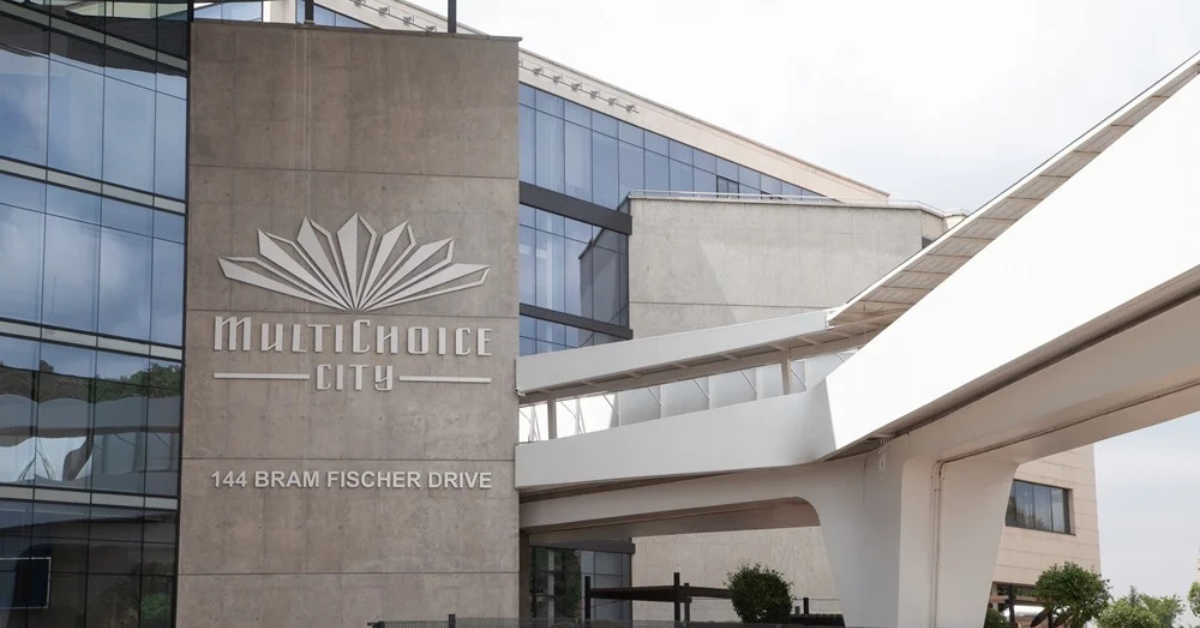
Every year in April, DStv users expect Easter eggs and a subscription increase. Not this time. Under its new owner, Canal+, the French media giant, the annual price hike ritual has been paused.
It might be to stop the bleeding: Over the past two years, MultiChoice has lost 2.8 million subscribers, its revenue dipped, and it saw a $576.5 million negative impact as a result of the depreciation of African currencies against the US dollar. Its strategy is to stabilise first and grow later, and there will be no price shock if it’s trying to win customers back.
But don’t get too comfortable. Multichoice hasn’t ruled out adjustments later in the year, especially if currency swings misbehave.
Why it matters: This change signals that MultiChoice understands that repeated price hikes in a shrinking market may not be beneficial to the business. Freezing prices suggests Canal+ is prioritising subscriber retention over short-term margin expansion. Whether this restraint lasts will depend on how quickly subscriber numbers stabilise.
And about Showmax… This price freeze comes as MultiChoice rethinks its streaming ambitions. Canal+ has made it clear that the platform’s current structure is unsustainable, even though streaming remains central to its long-term strategy. The likely outcome might be a restructuring of Showmax.
CRYPTO TRACKER
The World Wide Web3
Source:

|
Coin Name |
Current Value |
Day |
Month |
|---|---|---|---|
 Bitcoin Bitcoin |
$65,047 |
– 4.21% |
– 27.46% |
| Ether |
$1,869 |
– 5.26% |
– 38.82% |
| Falcon Finance |
$0.07777 |
– 1.57% |
– 11.56% |
| Solana |
$77.92 |
– 8.28% |
– 38.87% |
* Data as of 06.45 AM WAT, February 23, 2026.
Events
- East Africa’s digital economy is scaling fast, but cyber resilience isn’t keeping up. On February 26, in Nairobi, Smartcomply will host The Secure Horizon Executive Breakfast, an invitation-only forum bringing together senior leaders across finance, fintech, tech, and regulation to confront the widening gap between AI-driven growth and operational security. The closed-door gathering will feature keynote insights on AI-accelerated cyber risk, a regulatory fireside chat, and the launch of a new research report developed with TechCabal Insights, exploring how evolving threats are reshaping East Africa’s digital trust architecture. Learn more and register here.


Written by: Opeyemi Kareemm and Emmanuel Nwosu
Edited by: Emmanuel Nwosu & Ganiu Oloruntade
Want more of TechCabal?
Sign up for our insightful newsletters on the business and economy of tech in Africa.
- The Next Wave: futuristic analysis of the business of tech in Africa.
- Francophone Weekly by TechCabal: insider insights and analysis of Francophone’s tech ecosystem
P:S If you’re often missing TC Daily in your inbox, check your Promotions folder and move any edition of TC Daily from “Promotions” to your “Main” or “Primary” folder and TC Daily will always come to you.

from TechCabal https://ift.tt/qJaG7ky
via IFTTT

I am the CEO of 9JAGISTLAND.My name is Adedeji Timothy and my co-owner is Oyekola Damilare.This blog is born out of our passion to educating to people in all aspect of internet life.We are enthusiastic about writing posts and articles online.
Write your views on this post and share it. ConversionConversion EmoticonEmoticon