



Wazzup. 
Lovable, the Sweden-based vibe coding startup, which became a unicorn in July, has acquired Molnett, a platform-as-a-service (PaaS) app, that operates a cloud hosting service, like Vercel.
So hear me, vibe-coders, you can now build no-code websites on Lovable and deploy them on a platform that handles scaling, hosting, edge caching, and secure SSL certificates for you. Owning your rails is an important milestone in startup math, but sadly, it doesn’t come before scaling.
Today on Francophone Weekly by TechCabal, we’ll talk about scaling and we’re asking one simple question: do local exchanges have enough upside to pull startups and SMEs, or is this still a discussion we’ll circle back on in 2030? We look at the Bourse Régionale des Valeurs Mobilières (BRVM) as a case study. Get seated.

Fintech
Wise to launch in South Africa
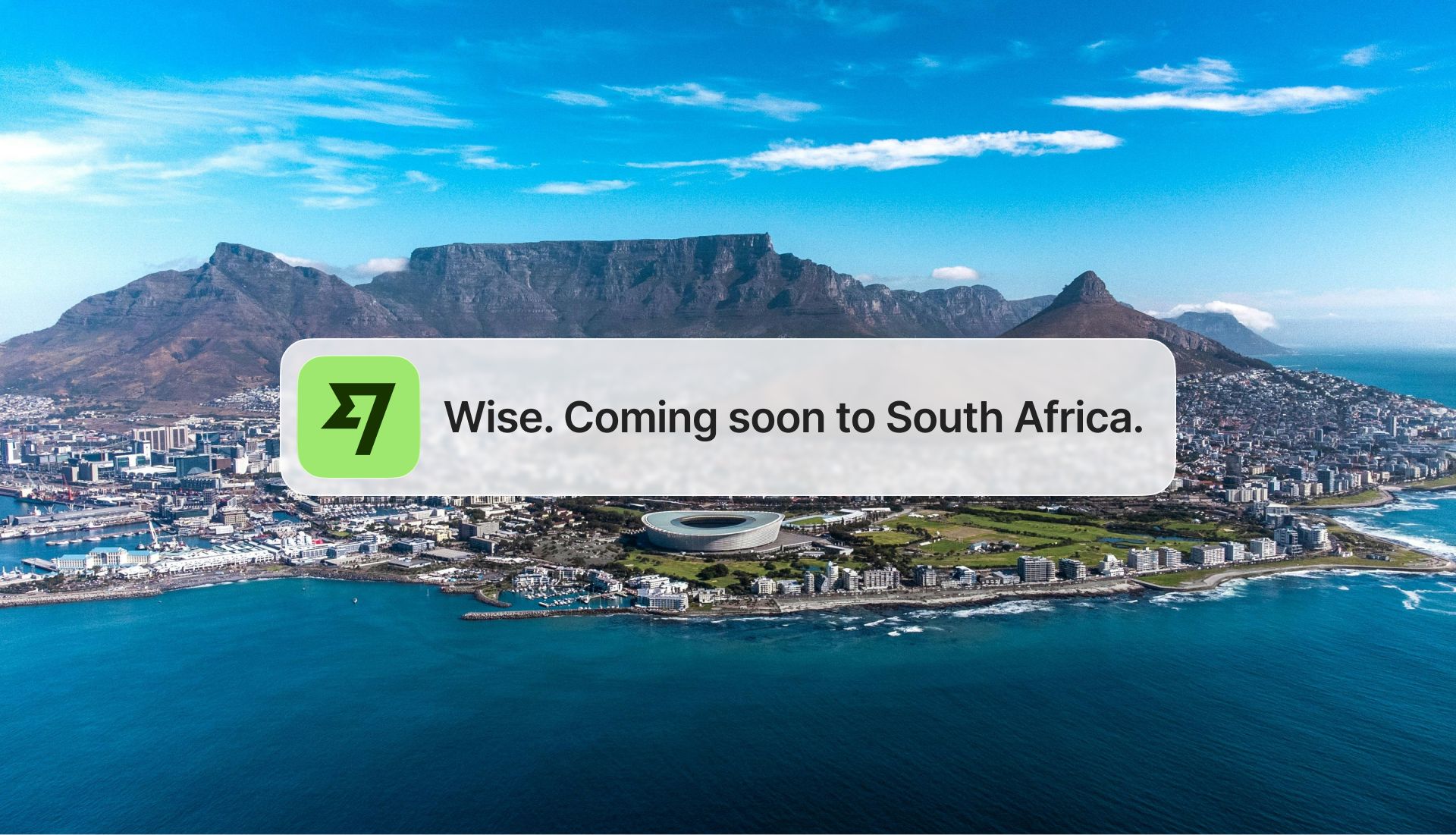
If you are in South Africa, Wise just inched closer to your wallet. The global fintech has secured conditional approval from the South African Reserve Bank to operate as a Category 2 limited-authority foreign exchange dealer—a very serious way of saying it’s almost ready to start moving money in and out of the country. The greenlight brings the London-listed company a step closer to launching international money transfers in South Africa.
South Africa is heating up: A new wave of cross-border challengers is gathering at the shoreline. Europe’s biggest digital bank, Revolut, is preparing its own push into the market as local players like Mukuru, Mama Money, and NALA remain deeply entrenched in migrant corridors. First National Bank, one of the country’s biggest banks, in collaboration with Mastercard, also rolled out Globba, its cross-border payments product. It seems many players (old and new) in South Africa’s payments markets are trying to solve the same inefficiencies, but with different playbooks.
The real contest: With the entrance of global heavyweights, the competition may now shift from “who can move money abroad” to “who can make the experience actually worth switching for.” This could mean tightening prices, and brands that once relied on loyalty alone will need to prove real value. All this is good news for users.


Powering businesses across Africa to pay and get paid in local currencies.
With Fincra, businesses, startups, global enterprises and platforms can easily send and receive payments in multiple African currencies, empowering trade, and growth across the continent. Create your account in 3 minutes.
Streaming
MultiChoice has lost 2.8 million subscribers since 2023—and Canal+ is racing to stop the bleeding
We knew MultiChoice, South Africa’s pay-TV giant, was struggling, but didn’t know how deep the cuts were. Canal+, its new owner, published an investor presentation revealing that MultiChoice has lost 2.8 million subscribers since 2023. But worse, the company is bleeding revenue and trading profit across its major businesses, as it tries to find new ways to hemorrhage those losses. According to the charts, MultiChoice’s decline began in 2016 after Netflix, the world’s largest on-demand streaming company, entered South Africa.
Between the lines: MultiChoice changed how it reported numbers, bundling packages and switching to a less rigorous “90-day active metric,” which allowed it to report South African growth until 2023. But the rot spread, and by 2024, the decline was undeniable. In its final pre-takeover results, MultiChoice blamed macroeconomic headwinds and the rise of piracy and streaming. Adding to its problems, DStv is facing a major content crisis as it is confirmed to lose four channels and risks losing twelve more, due to a contract deadlock with Warner Bros. Discovery, threatening a further subscriber exodus.
The big picture: Canal+ says it is now stepping in with an urgent turnaround plan. Instead of cutting costs for short-term profit, the new owners plan to aggressively reinvest in subscriber acquisition to capture growth in the underpenetrated African pay-TV market. They’re adopting a “no small market” philosophy, vowing to invest heavily across the continent and save costs in areas like content and technology.
Enjoy smooth payments while you’re home this Detty December

Coming home for Detty December? Enjoy smooth payments every day with your Paga US account. Send money to any bank instantly. Don’t miss out, get started now.
Ride-hailing
Bolt now controls 40% of Kenya’s EV fleet
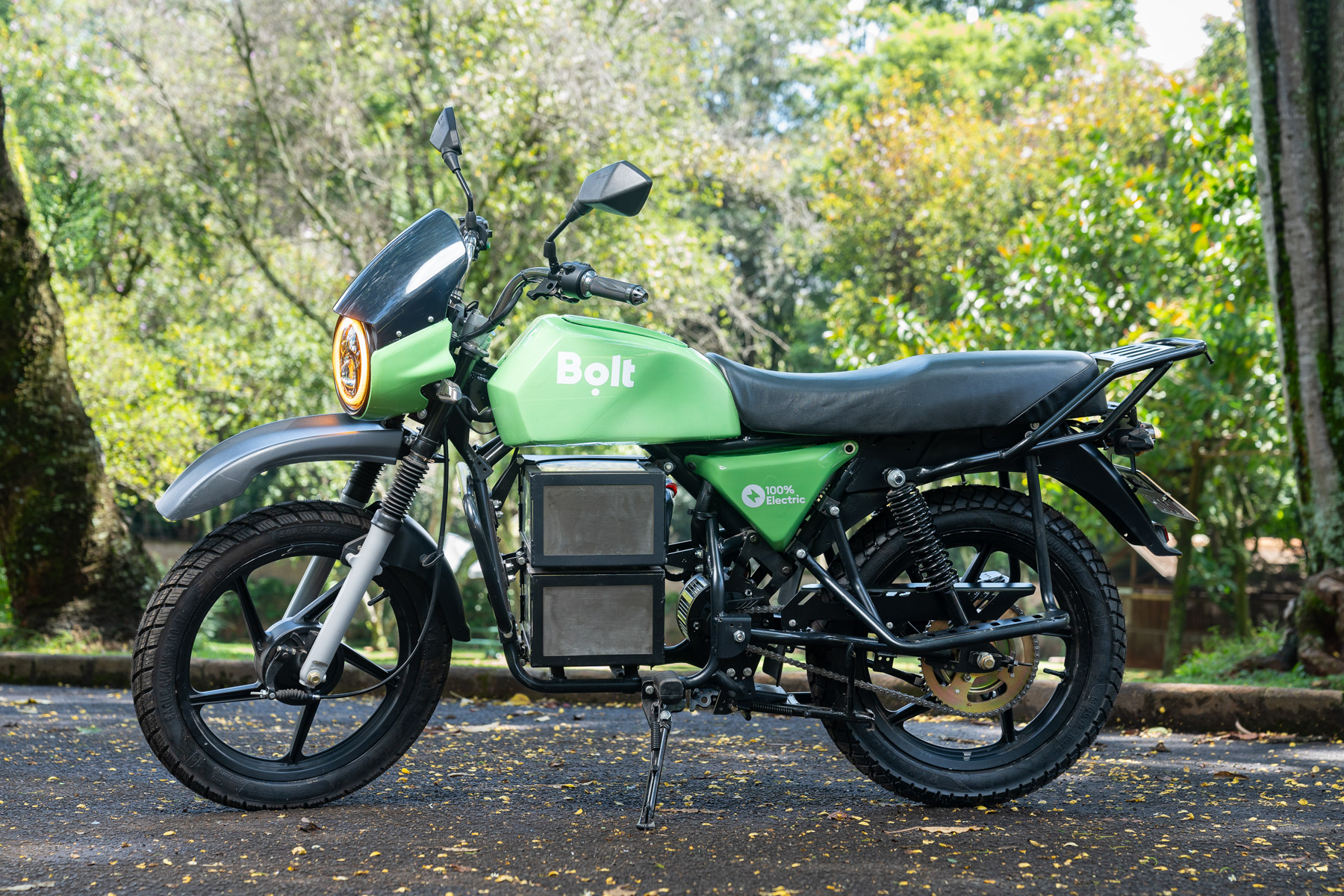
In Kenya, if you ride a boda boda (commercial motorcycle) that runs on a lithium battery, chances that you’re sitting on a Bolt-branded EV are now very high.
Bolt, the ride-hailing giant, says it now controls about 40% of Kenya’s electric vehicle (EV) fleet, after onboarding 1,700 M-KOPA-financed riders. It’s a huge market share for a company that doesn’t even produce its own EVs. Bolt’s partnership with M-KOPA provided the opportunity for drivers to lease ROAM and Ampersand e-bikes at discounted prices.
Why has Bolt become obsessed with EVs? Since 2021, Bolt has been launching EVs to provide gig drivers with an alternative to fuel. In 2021, it launched electric taxis in South Africa; the same year, it rolled out an electric-motorbike fleet in Kenya; and in April 2025, Bolt introduced electric three-wheelers for Nigerian gig drivers.
Between the lines: Bolt is trying to achieve two things: cut costs for drivers and pass on this (lower) cost to customers. Across several African countries like South Africa and Kenya, where fuel costs have stayed up since July, the continued increase is causing an operational obstacle for gig drivers. The high cost causes a strain on income, and this becomes even more excruciating after Bolt deducts its 20% commission. With this brouhaha, drivers take to the streets to protest, a sight that has now become too familiar in Africa’s gig economy.
Yet, does this mean EVs have become the ultimate cost-saver for commercial rides? It seems Bolt knows the answer to this question, hence why the ride-hailing giant is bullish and leading competitors like Uber—which launched EVs in South Africa in November—in this race.
Stay up to date with Paystack news!

Subscribe to Paystack for a curated dose of product updates, insights, event invites and more. Subscribe here →.
Mobility
Dongfeng launches four EV brands in South Africa

If you rolled your eyes after reading that another Chinese auto company is launching electric vehicles (EVs) in South Africa, where major players are already circling like packs of wolves looking for their next meal, then you wouldn’t be wrong. But, you might be missing the real story.
On Monday, Dongfeng, the smallest of China’s “Big Four” car companies—along with SAIC, FAW, and Changan—launched four new EV brands in South Africa, targeting the middle-class. Its cheapest brand, the E1330, will be priced at R459,000 ($27,000), but still more expensive than BYD’s Dolphin Surf, which launched in September, and Dayun S5, priced at R399,000 ($22,000).
Dongfeng? Doesn’t ring a bell: A major question on anyone’s mind is why a certain “Dongfeng” is trying to compete with EV giants like BYD. But the reality is, despite BYD’s huge global market share—which it amassed by undercutting competitors—Dongfeng was one of the first car brands in the world to bet on EVs. The company started building an EV bus assembly in 2010, and by 2014, it launched Venucia e30, its first all-electric passenger vehicle.
So, why was Dongfeng late to the private EV car business? Dongfeng spent its early EV years concentrating on buses, logistics vehicles like e-trucks, and other commercial fleets, reflecting China’s push to electrify public transport and state-backed services first. That focus helped the company build technical depth and scale, but it also delayed its move into private passenger cars until it felt confident it could compete on cost and technology.
State of play: Dongfeng has already started expanding beyond China. The company entered Mexico in December 2024 with a lineup that includes battery-powered electric vehicles (BEVs) and hybrids. With its new South Africa rollout, Dongfeng appears to be doubling down on international expansion, hoping to catch demand early in markets where EV adoption is nascent.
AI in a Nutshell gives you weekly AI knowledge and insights

Want to stay close to AI but hate long reads? AI in a Nutshell gives you weekly AI knowledge, news, tools, and insights – short, smart, and fun. Perfect for curious (but lazy) readers who still want to stay ahead. Subscribe here.
CRYPTO TRACKER
The World Wide Web3
Source:

|
Coin Name |
Current Value |
Day |
Month |
|---|---|---|---|
 Bitcoin Bitcoin |
$86,922 |
+ 1.19% |
– 21.24% |
| Ether |
$2,803 |
– 0.7% |
– 28.21% |
| Yooldo |
$0.4441 |
– 1.16% |
– 103.12% |
| Solana |
$126.74 |
– 0.33% |
– 33.23% |
* Data as of 06.35 AM WAT, December 2, 2025.
Opportunities
- The Growth Talent Accelerator Programme (GTAP) is alGROWithm’s flagship training experience designed to turn ambitious professionals, operators, and teams into world-class Growth Engineers. If you’re an individual looking to upskill and become indispensable in 2026, or a company looking to strengthen your team, optimise operations, and increase revenue, GTAP 2026 is the right place to start. Apply for the Lite stream as an individual or nominate your team for the Pro stream
- Every startup has a story worth hearing. My Startup in 60 Seconds by TechCabal offers founders a one-minute spotlight to share their vision, challenges, and achievements. Beyond visibility, it connects you to investors, customers, and Africa’s tech ecosystem. Apply to be featured or explore other TechCabal advertorial opportunities. This is a paid opportunity.
- Founder Institute Lagos, the Lagos chapter of the world’s largest pre-seed accelerator, is set to graduate its 12th Cohort at a physical ecosystem gathering themed “Build. Impact. Scale: Fueling Africa’s Growth through Scalable Innovation.” The event will celebrate 18 founders who have completed a rigorous and rewarding 14+ week virtual accelerator program, joined by operators, investors, and key ecosystem players. Register here to attend.

Written by: Opeyemi Kareem, Fancy Goodman, and Emmanuel Nwosu
Edited by: Emmanuel Nwosu & Ganiu Oloruntade
Want more of TechCabal?
Sign up for our insightful newsletters on the business and economy of tech in Africa.
- The Next Wave: futuristic analysis of the business of tech in Africa.
- TC Scoops: breaking news from TechCabal
- Francophone Weekly by TechCabal: insider insights and analysis of Francophone’s tech ecosystem
P:S If you’re often missing TC Daily in your inbox, check your Promotions folder and move any edition of TC Daily from “Promotions” to your “Main” or “Primary” folder and TC Daily will always come to you.

from TechCabal https://ift.tt/h3klO15
via IFTTT

I am the CEO of 9JAGISTLAND.My name is Adedeji Timothy and my co-owner is Oyekola Damilare.This blog is born out of our passion to educating to people in all aspect of internet life.We are enthusiastic about writing posts and articles online.
Write your views on this post and share it. ConversionConversion EmoticonEmoticon